
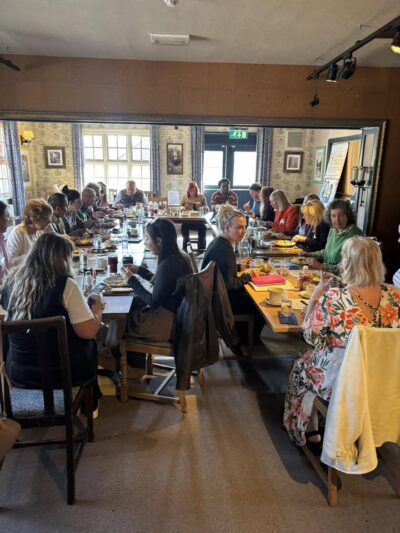
When you join a networking group, you are not simply attending meetings. You are building a professional reputation.
Every time you turn up, communicate, follow through or look after a referral, you show people what it may be like to work with you. Equally, when you regularly miss meetings, arrive late without explanation or fail to respond to a referral, people notice.
They may begin to wonder: “If this is how they approach networking, is this how they run their business?”
Turning Up Builds Trust
We all have busy lives, and sometimes unexpected things happen. Nobody expects you to attend every meeting without exception. However, when you commit to a networking group, people need to see that you value that commitment.
Turning up regularly allows people to get to know you, understand your business and feel confident recommending you. Trust does not usually develop after one meeting. It grows through regular conversations, shared experiences and seeing that you do what you say you will do.
The more consistently you attend, the easier it becomes for other members to remember:
- Who you are
- What you do
- Who your ideal customers are
- What makes your business different
- When an opportunity might be right for you
If people rarely see you, they may struggle to keep you at the front of their minds when a referral opportunity arises.
Communication Matters
There will always be occasions when you cannot attend. That is completely understandable. However, communication makes all the difference.
A quick message to explain that you cannot make the meeting shows respect for the organiser and the other members. It also helps the meeting run smoothly, especially when time, seating, catering or presentations have been arranged.
Simply not turning up can create the impression that the meeting, and the people waiting for you, did not matter.
Ask yourself: if you had booked an appointment with a customer, would you simply not arrive? If the answer is no, your networking commitments should receive the same professional courtesy.
A Referral Is an Act of Trust
Receiving a referral is not the same as being given a name and telephone number. Someone has personally connected you with another person and placed their own reputation alongside yours.
They are effectively saying:
“I know this person, I trust them, and I believe they can help you.”
That is a powerful recommendation, and it should never be taken for granted.
When somebody passes you a referral, respond promptly. Thank the person who made the introduction, contact the potential customer professionally and keep the referrer updated where appropriate.
Even if the referral does not turn into paid work, acknowledge it and treat the person with care. Not every introduction will become a customer immediately, but every introduction is an opportunity to build a relationship.
Your Actions Affect the Referrer’s Reputation
When a fellow member recommends you, the person receiving that recommendation will associate your behaviour with them.
If you fail to reply, miss an appointment, arrive late without notice or provide a poor service, it can reflect badly on the person who referred you. They may feel embarrassed and become reluctant to recommend you again.
On the other hand, if you respond promptly, communicate clearly and provide an excellent service, you strengthen their relationship with their contact. You also give them greater confidence in recommending you in the future.
A referral is not only a potential piece of business. It is somebody lending you their credibility.
Look after it carefully.
Follow Up Without Being Pushy
Good follow-up is professional, helpful and respectful.
Contact the person within a reasonable timeframe and mention who introduced you. If they do not respond, follow up politely, but avoid placing them under pressure.
You could say:
“Hello, Sarah. John suggested I contact you as he thought I might be able to help with your website. I would be happy to arrange a quick conversation to learn more about what you need.”
This approach feels warm and personal because it begins with a trusted connection.
Once you have made contact, let the referrer know. You do not need to share private details, but a simple message such as, “Thank you for the introduction. I have contacted Sarah and we are arranging a conversation,” shows that you have taken the referral seriously.
Networking Is Part of Your Professional Footprint
Networking is not separate from your business. It is part of how people experience you and decide whether they can trust you.
People notice whether you:
- Attend consistently
- Arrive on time
- Listen to others
- Respond to messages
- Keep your promises
- Thank people for introductions
- Follow up on referrals
- Treat everyone with respect
These may sound like small things, but together they create your professional reputation.
You may be excellent at what you do, but if people do not feel confident that you will respond or follow through, they are unlikely to put their own reputation at risk by recommending you.
Relationships Come Before Referrals
At BNNL, we believe strong business relationships create meaningful and lasting opportunities.
Networking is not about attending one meeting, handing out business cards and expecting immediate work. It is about becoming part of a community, learning about other businesses and finding genuine ways to support one another.
Referrals usually come after trust has been built. That trust grows when people see you regularly, hear how you help your clients and watch how you conduct yourself over time.
The members around the table can become part of your extended marketing team, but they need the confidence and information to represent you well.
Your Reputation Enters the Room Before You Do
People will not only remember what you said during your introduction. They will remember how you made them feel, whether you showed an interest in their business and whether you followed through afterwards.
Your behaviour in a networking group may influence whether someone:
- Recommends you to a customer
- Introduces you to a useful contact
- Invites you to collaborate
- Chooses to work with you
- Speaks positively about your business
Every meeting is an opportunity to reinforce your reputation.
Turn up when you say you will. If you cannot attend, communicate. When someone trusts you with a referral, respond promptly and look after it properly.
Because people will often believe that the way you behave within your networking group is the way you run your business.
Make sure you are giving them every reason to trust you.
Join Us at the BNNL Table
Business Networking North London brings together local business owners, professionals and entrepreneurs who believe that business grows through genuine relationships, trust and mutual support.
If you are looking for a welcoming, supportive networking community where you can build meaningful connections and generate referrals, we would love to welcome you to one of our meetings.
Book your seat around the table and discover the difference that relationship-led networking can make.
Message me for more information, Frances BNNL
